About the club
It started with one table and a bad kettle
Ember Rooms began as a Tuesday habit in a back room above a launderette in Hackney: one folding table, four people, and a rule that nobody brought money. Nine years later there are six rooms and the rule has not changed.
Why no money
We took the money out and the evening got longer
The first version of this club had a kitty on the table. It worked for about three months, and then it did what a kitty always does: the same two people stopped coming, and nobody said why.
So we replaced it with wooden tokens from a charity shop, five thousand of them, handed out for free at the door and collected again at the end of the night. The games did not get worse. People stayed later, taught each other more, and argued about rules instead of amounts.
Everything since — the online rooms, the daily reset at nine, the refusal to sell anything — is that one decision, repeated.
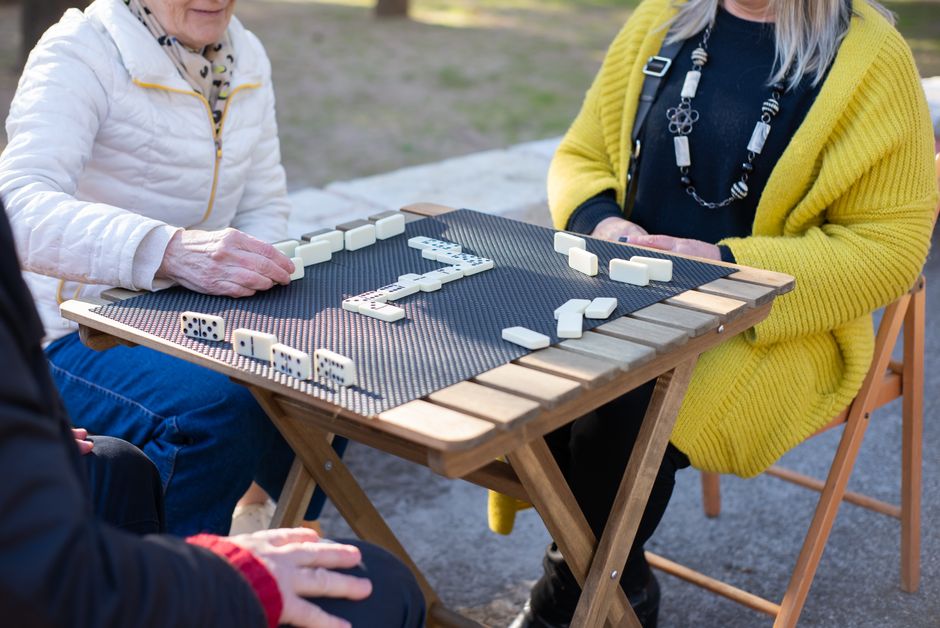
A club is not a room with tables in it. It is the person who saves you a seat.
Painted above the counter, badly, in 2019
How it grew
Nine years, one rule we never touched
The Tuesday table
One folding table above a launderette, four regulars, and a kettle that tripped the fuse every time someone made tea.
The wooden tokens
The kitty went in the bin and five thousand charity-shop tokens took its place. Attendance doubled inside a month.
The rooms went online
We built the first two rooms so members could keep playing when nobody could leave the house. They never closed again.
The room meter
Members kept asking the same question by message: how busy is it? So we published the answer instead of answering it.
Six rooms, still free
Six rooms, a daily reset at nine, a quiet hour at eleven, and nothing anywhere that takes a payment.
Who runs it
Five people and about forty volunteers
Nadia Okonkwo
Decides which games come in and which go back in the cupboard. Says no far more often than yes.
Tom Aldridge
Writes the table rules and keeps them plain enough to read out loud to a new player.
Priya Raman
Reads every report, and has the last word on account pauses and closures. Also handles data requests.
Two more people look after the servers and the counter, and about forty volunteers run the beginners’ hour. There is no marketing team: people arrive because a member brought them.
Four promises
What the club will never do
Never sell tokens
Not in packs, not in a subscription, not hidden inside a membership tier with a nicer name.
Never pay anything out
No cash, no vouchers, no goods. A score is a score and it stays in the room it was made in.
Never advertise money games
No banners, no affiliate links, no partnerships with anyone who takes payments to play.
Never sell your data
We do not pass personal data to third parties for marketing. The detail is in the privacy notice.
Say hello
The office is a table like any other
Questions about the rooms, a rule you think is wrong, a request about your data, or a game you want us to add. A person answers, within two working days.